Live video distribution
SAS describes SCOPE as a transport stream gateway for video distribution between IP and broadcast networks. The role is to connect supported source and receiving formats within a defined video workflow.
Live video distribution through SAS
Get live video from supported sources to the people who need it. SCOPE is an SAS IP video streaming appliance that receives live IP streams and redistributes them to downstream viewers or systems. Chris Wright is your direct contact for discovery and coordinates the sales and engineering response through Superior Access Solutions (SAS).
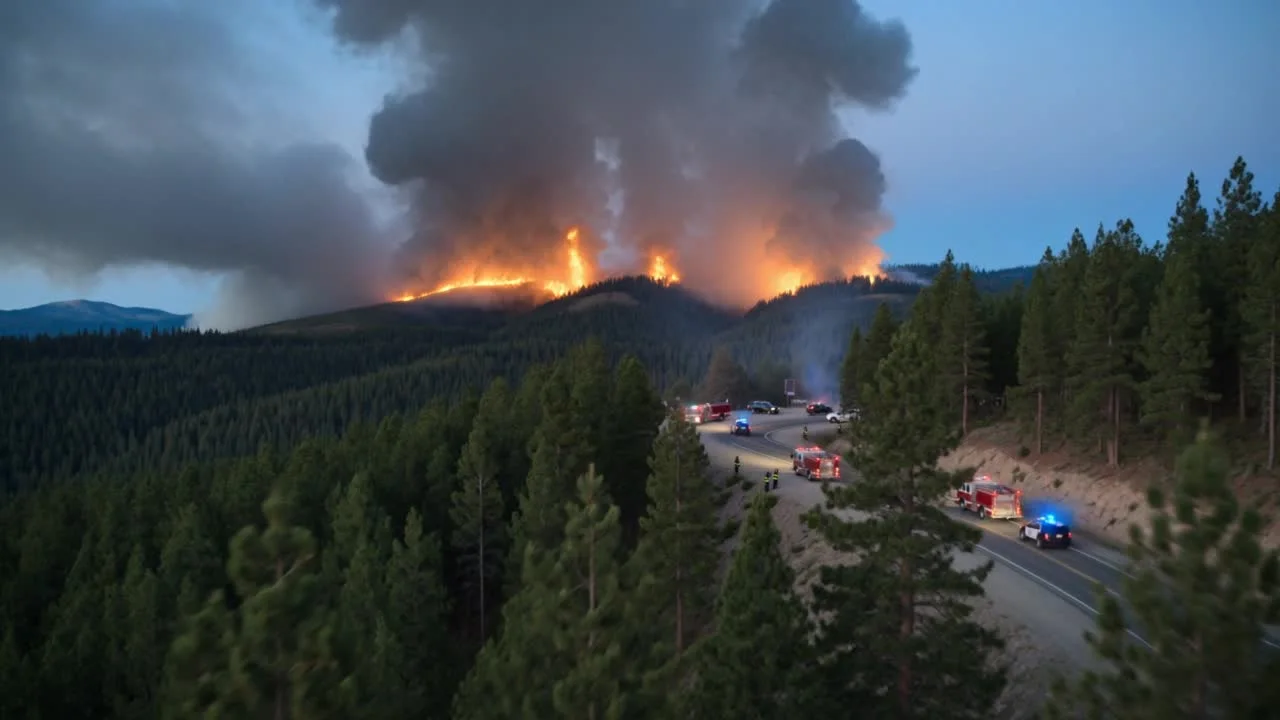
Public safety / Featured use case
Connect aerial awareness to incident command. Explore drone solutions, field connectivity, and supported SCOPE video feeds with Chris and SAS.
Explore fire & emergency management drone solutions →01 / Capability
SCOPE handles the streaming distribution step. Start with the source formats, network paths, and intended viewers so SAS can validate the complete configuration.
SAS describes SCOPE as a transport stream gateway for video distribution between IP and broadcast networks. The role is to connect supported source and receiving formats within a defined video workflow.
Bring the source equipment and receiving systems to discovery. SAS must confirm the proposed model, input and output interfaces, and any required conversion before quoting the configuration.
Source bitrate, network capacity, routing, and the number and location of viewers shape the design. Remote viewing requires working connectivity between the source, appliance, and destination.
The SAS quote identifies the appliance model, included hardware, licensing method, network dependencies, and support terms. Confirm these details for the actual configuration before ordering.
02 / Discovery to response
Chris brings the operating need to SAS. Together, discovery and engineering establish each handoff, who owns it, and how the proposed system will be tested.
Document the camera, drone video system, or other live source and its available IP output. Identify any encoder or capture adapter needed to provide a supported input.
Plan how the feed reaches the appliance, including addressing, bandwidth, firewalls, and any field or remote-site connectivity. Licensing and connectivity are separate requirements.
SAS scopes the input and output paths for the agreed destinations. Confirm the distribution method, required interfaces, and receiving systems as part of the proposed network design.
Validate playback, access, video quality, latency, and capacity using the proposed sources, network, and viewers. Agree on acceptance criteria, documentation, and support responsibilities before deployment.
03 / Integration
SAS can coordinate requirements validation, architecture, configuration, integration, testing, documentation, deployment assistance, and support. The written proposal defines the deliverables and each party’s responsibilities.
Encoders, capture adapters, displays, storage, hosting, and custom software are separate from the appliance and are included only if scoped. Recording or evidence handling requires its own solution.
Camera and AV system planning →Routers, switches, multicast routing, remote access, and security controls need a defined design. Specify who may view each feed and the required protection; validate those controls across the full path.
IT and network integration →Connectivity is separately scoped. If the path uses cellular or private LTE, validate coverage, uplink bandwidth, congestion, and site conditions. Network interruptions affect live video delivery.
Private LTE network planning →A supported drone feed may be a source in a separately scoped solution. For Fotokite, validate the video handoff to SCOPE, required interfaces, and manufacturer services. Compatibility is specific to the proposed system.
Drone and unmanned-system requirements →04 / Buyer fit
These are applications to evaluate with SAS, not claims about customer deployments.
05 / Verify the capability
Use the SAS product catalog as a starting point. Chris can coordinate the current SCOPE technical specification and a written proposal covering the configuration, integration work, acceptance tests, and support terms.
06 / Questions
SCOPE receives supported live IP video streams and redistributes them to downstream users or systems. It serves the live distribution step; it is not a complete video-on-demand, evidence-management, flight-control, GIS, or compliance platform.
Potentially. SAS must validate the source output, stream characteristics, network path, and receiving system. A source without a suitable IP output may need a separately scoped encoder or adapter. Drone compatibility, including a proposed Fotokite video handoff and manufacturer services, must be validated.
Capacity and latency depend on the proposed configuration, source streams, output methods, network, and receiving systems. Share the expected source and viewer counts with Chris so SAS can define and test the requirement. No fixed capacity or latency is promised here.
Ask SAS to identify the current model, license method, any license-verification requirement, and the network path needed for each viewer. A license does not supply field connectivity, internet access, or hosting. Those dependencies need their own scope.
SAS can scope requirements validation, architecture, source interfaces, configuration, integration, testing, documentation, deployment assistance, and support. Encoders, routers, capture adapters, connectivity, hosting, displays, storage, custom software, and installation are separate scope items. Actual deliverables and current support terms are set out in writing.
Contact Chris Wright directly. As Director of Sales at Superior Access Solutions, he coordinates discovery, sales, and engineering through SAS. SAS is the product seller and integrator for the scope it accepts. Chris Wright Enterprises, LLC operates this website and is a separate business.
Local service area
Chris is based in Coatesville and welcomes inquiries from Exton, Downingtown, and communities throughout Chester County.
Chester County services & town coverage →For a Chester County organization evaluating shared live video, Chris can coordinate SCOPE requirements through SAS. Start with the supported camera or drone source, the network path, and the teams who need to view it. Integration and onsite work are defined for the actual project.
Describe the source formats, expected viewers, viewing locations, and available connectivity. Share an overview, not incident footage, stream URLs, or credentials.
Discovery can begin remotely. Onsite meetings, installation, travel, and availability are confirmed for your project. Support also extends across Pennsylvania, New York, New Jersey, and Delaware.
A useful first conversation
Share enough context to make the next conversation useful. You can also call (952) 312 9317 or email [email protected].