Tredyffrin Township’s 2026 police budget lists $60,000 for license plate reader subscriptions. A bill that passed the Pennsylvania House on October 19 would set new conditions for how government agencies keep, share and support the data those systems collect.
The House roll call records a vote of 190 to 13 for House Bill 2771, sponsored by Rep. Jennifer O’Mara. The measure is not law. Its current text, printer’s number 4026, provides for an effective date six months after enactment.
What the local budget establishes
The license plate reader line appears under police equipment subscriptions in Tredyffrin’s final 2026 budget, PDF page 24. The table lists $40,000 for 2025 and $60,000 for 2026. These are budget figures, not confirmation of money actually spent or cameras installed.
That page does not identify a vendor, camera count, retention period or data sharing arrangement. It therefore cannot establish whether the township’s current equipment or contract would meet the proposed requirements.
A deletion deadline with exceptions
The bill defines an automated license plate reader system as software or a system that turns plate images into computer readable data. Captured data includes plate numbers, locations, dates, times and vehicle characteristics. Sections 7001 and 7002 define covered entities and permitted uses, including specified investigations, vehicle registration and inspection enforcement, parking enforcement and access to secured areas.
Under section 7004, the default would be deletion 72 hours after capture. Exceptions include evidence needed for specified investigations, parking fee collection, vehicle code enforcement and valid preservation requests or court orders. The proposal would not require every plate read to disappear after three days regardless of its use.
The deletion requirement also reaches copies in cloud storage, backups, caches and disaster recovery files. That makes storage design and deletion procedures part of the proposal, beyond the camera itself.
Sharing and vendor support would have limits
Section 7006 permits sharing under specified conditions, including an authorized request from a covered entity or a qualifying warrant. It would also require records for certain requests and restrict direct access. The text does not impose an absolute ban on sharing.
The policy and maintenance provisions would require secure storage with encryption and physical server infrastructure in the United States. Vendor maintenance access would require express authorization, end when the work is complete and leave an audit trail. Permanent, unrestricted or continuous vendor remote access would be prohibited.
For residents examining local spending, useful next records would be the current contract, agency use policy and descriptions of retention, sharing and maintenance access. Those would help explain what the budget line buys. The official bill history is the place to check for later action or a revised text.
For a separate local camera program, our Downingtown and Oxford registry guide explains owner registration and footage requests. It does not document an automated plate reader network. More reporting is available in our Chester County coverage.
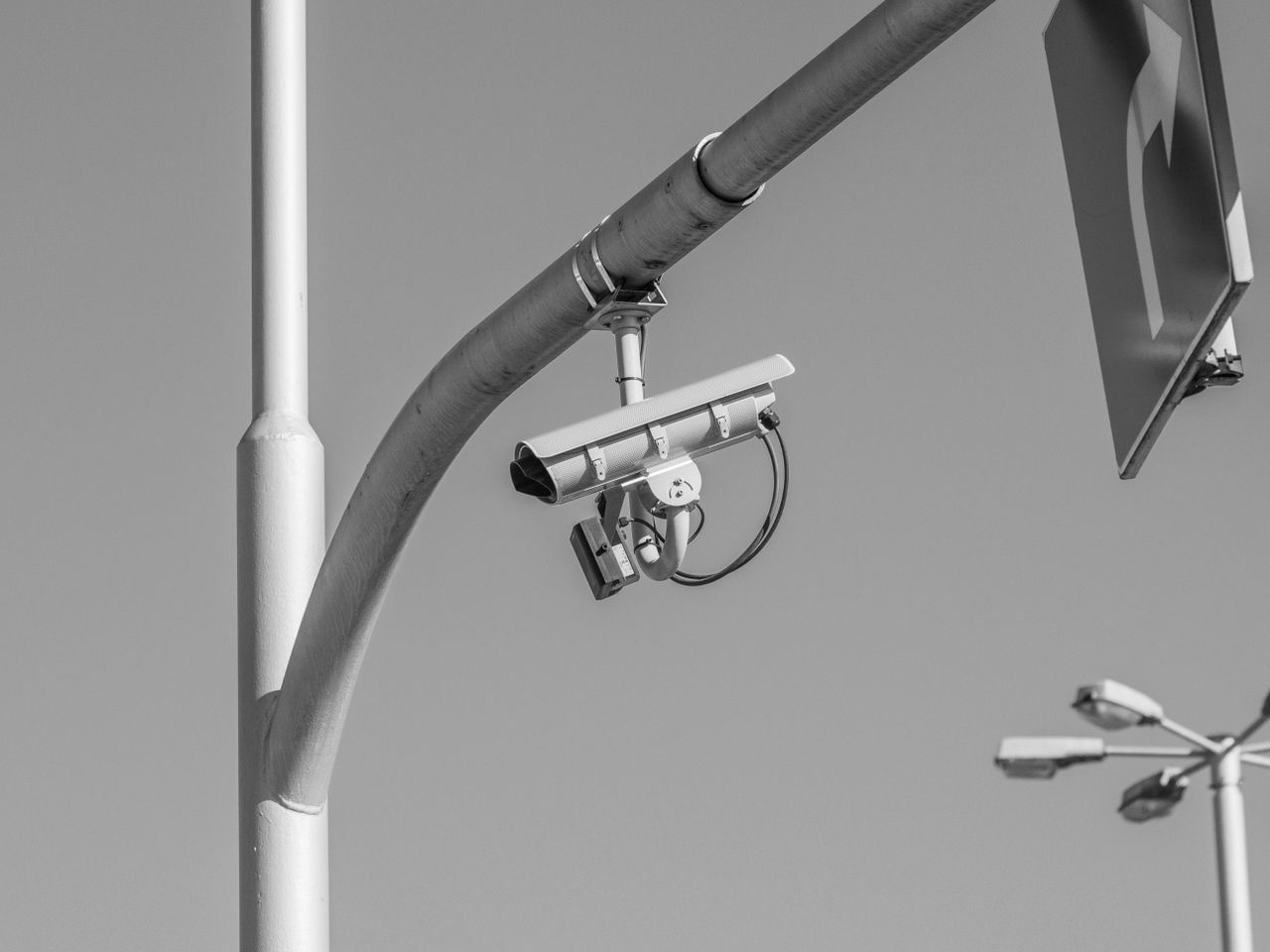
Image credit: Illustrative stock photograph by SHOX ART on Pexels, used under the Pexels License. The camera is not identified as Tredyffrin equipment or as an automated license plate reader.
Related articles
Cameras and Imaging
East Brandywine camera upgrade: Server, audio and costs
East Brandywine approved a $38,993.59 camera and server upgrade. Its records describe network recording, audio compatibility, equipment reuse and a later deposit.
Chester County
Chester County weighs $8.27M radio maintenance contract
Chester County’s October 21 packet proposes $8.27 million for five years of P25 radio maintenance. A separate tower extension and the capital plan cover different work.

Artificial Intelligence
Phoenixville school apps: Privacy checks and parent controls
Phoenixville school families can compare app listings, privacy and AI review questions, advisory minutes and Qustodio device controls. Here is what each resource establishes.
Chester County
Chester County battery disposal: Check the type first
Chester County's 2026 hazardous waste collections have ended. Check battery types, Lanchester limits and regional options before choosing a disposal route.